NID Andhra Pradesh: Complete Guide to Courses, Fees, Admission, Campus Life & More
The National Institute of Design, Andhra Pradesh (NID AP) is one of India’s autonomous design institutions established under the mentorship of the National Institute of Design, Ahmedabad. Known for its industry-oriented curriculum, hands-on learning approach, and active campus environment, NID AP has quickly risen as a preferred choice for aspiring designers.
Located in Amaravati, the emerging capital city of Andhra Pradesh, NID AP offers modern infrastructure, strong academic mentorship, and opportunities for real-world exposure in design. This blog offers a complete 360° overview of NID Andhra Pradesh—covering courses, fees, admission, cut-offs, campus life, placements, hostel facilities, scholarships, and tips to crack NID DAT.
About NID Andhra Pradesh
NID Andhra Pradesh was established as part of the Government of India’s initiative to expand design education across the country. The institute builds creativity through experimental learning, studio practice, and interdisciplinary collaboration.
Highlights
- Government-designated Institute of National Importance
- Operates under the aegis of the Ministry of Commerce & Industry
- Offers 4-year Bachelor of Design (B.Des) programme
- Highly experienced faculty from industry and academia
- Strong focus on skill-building through labs, workshops, and live projects
- Located in a fast-growing education hub—Amaravati
- Encourages innovation through design studios and research programs
NID Andhra Pradesh Courses Offered
NID AP currently offers B.Des (Bachelor of Design) spanning four years, divided into eight semesters. Students undergo a foundation year followed by specialization in selected disciplines.
NID Andhra Pradesh offers a 4-year Bachelor of Design (B.Des) program. The structure includes:
-
1-year Foundation Programme
-
3 years of specialization (discipline-specific)
Available Specializations (Disciplines)
Students can choose from the following three major disciplines:
-
Industrial Design (ID)
-
Product Design
-
Interaction basics
-
Form studies
-
Manufacturing & materials
-
-
Communication Design (CD)
-
Graphic Design
-
Illustration
-
Typography
-
Visual storytelling
-
-
Textile & Apparel Design (TAD)
-
Textile structure
-
Fashion basics
-
Surface design
-
Material exploration
-
Seat Intake
- Total seats: 75
- 25 seats per discipline
| Specialization | Course Duration | Focus Area |
|---|---|---|
| Industrial Design | 4 Years | Product design, human-centered design, prototyping |
| Communication Design | 4 Years | Graphic design, branding, visual narratives |
| Textile & Apparel Design | 4 Years | Textile technology, fabric studies, fashion systems |
People Also Read



NID Andhra Pradesh Course Structure: Overview
| Year / Phase | Components | Detailed Description |
|---|---|---|
| 1. Foundation Year | Basics of Drawing & Visualization | Students learn freehand drawing, perspectives, shading, still-life sketches, and visual thinking to build strong observation skills. |
| Material Studies | Introduction to materials such as clay, wood, metal, fabrics, and plastics; hands-on experiments to understand properties and behavior. | |
| Form & Structure | Study of 2D, 3D, and structural principles; exercises in form development, balance, rhythm, and proportion. | |
| Color Theory | Understanding color schemes, color psychology, pigment mixing, traditional & digital color application. | |
| Digital Tools | Basics of design software—including vector tools, image editing, and digital drawing—for early design communication. | |
| Introduction to Design Processes | Understanding the design cycle: problem identification, user understanding, ideation, prototyping, and evaluation. | |
| 2. Specialization Years (Years 2–4) | Studio Projects | Discipline-specific projects in product design, communication, or textile design; hands-on, creative, and iterative assignments. |
| Workshops & Labs | Exposure to advanced model-making labs, photography labs, CAD labs, material labs, printing workshops, loom workshops, and more. | |
| Industry-Linked Assignments | Collaborations with companies and real-world clients to work on practical design challenges and prototypes. | |
| Field Trips | Visits to industries, artisan clusters, manufacturing units, museums, and craft locations for on-ground learning. | |
| Research Methodology | Training in user research, data collection, ethnographic studies, analysis, report writing, and design documentation. | |
| Portfolio Building | Development of a strong professional portfolio including case studies, concept sketches, models, final projects, and digital showcases. |
NID Andhra Pradesh Fees Structure
Below is the detailed fee structure for B.Des at NID AP (approximate values).
| Fee Component | Amount (Approx.) |
|---|---|
| Tuition Fee | ₹2,00,000 – ₹2,50,000 per year |
| Studio & Workshop Charges | ₹30,000 – ₹40,000 |
| Hostel Fee | ₹35,000 – ₹45,000 |
| Mess Charges | ₹36,000 – ₹48,000 |
| Security Deposit | ₹10,000 – ₹15,000 (refundable) |
| Miscellaneous | ₹15,000 – ₹25,000 |
Total Annual Cost: ₹3,00,000 – ₹3,80,000 (approx.)
Admission to NID Andhra Pradesh
Admission to NID AP is conducted via the NID DAT (Design Aptitude Test), which includes Prelims and Mains. Refer to te steps below to know the steps for NID Andhra Pradesh admission:
-
Register for NID DAT online
-
Appear for NID DAT Prelims – an offline exam testing creativity
-
Shortlisted candidates attend DAT Mains
-
Studio test
-
Hands-on tasks
-
Portfolio evaluation
-
Interview
-
-
Final Merit List Released
-
Seat Allotment & Campus Reporting
NID Andhra Pradesh Cut-Off (Expected Trend)
NID AP cut-offs vary each year depending on:
- Number of applicants
- Difficulty level of exam
- Category
- Seats available
Below is the estimated cut-off range (category-wise):
| Category | Expected NID DAT Percentile / Rank Range |
|---|---|
| General | Top 800 – 1400 |
| OBC-NCL | Top 1700 – 2500 |
| SC | Top 4000 – 5200 |
| ST | Top 6500 – 8000 |
| PwD | Variable (10-15% relaxation) |
Eligibility Criteria for NID Andhra Pradesh
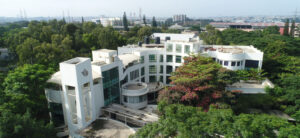
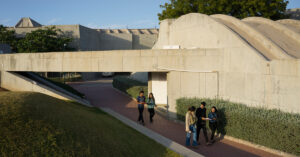
The NID AP campus is known for its serene environment, creative energy, and modern facilities.
- Design studios
- Well-equipped workshops
- Prototyping labs
- Computer labs & digital classrooms
- Amphitheatre & event spaces
- Library with extensive design resources
- Recreational zones
Workshops & Labs Include
- Wood workshop
- Metal workshop
- Fabrication lab
- CAD/CAM lab
- Photography studio
- Printing & dyeing lab
- Clay & ceramic lab
Hostel & Accommodation
NID AP provides comfortable hostel facilities for students.
Hostel Features
- Separate hostels for boys & girls
- Wi-Fi and study rooms
- Common TV & recreation rooms
- Outdoor & indoor sports facilities
- Laundry services
- 24×7 security
Hostel Fee Structure (Approx.)
| Component | Fee |
|---|---|
| Hostel Fee | ₹35,000 – ₹45,000/year |
| Mess Charges | ₹36,000 – ₹48,000/year |
Scholarships & Financial Assistance at NID Andhra Pradesh
To support financially needy students, NID AP offers:
Types of Scholarships
- Need-based financial aid
- Merit-based scholarships
- Government scholarships (state & central)
- Education loans from partnered banks
Eligibility Factors
- Annual family income
- Academic performance
- Category (SC/ST/OBC/EWS/PwD)
- Special circumstances
NID Andhra Pradesh Placements
Although design careers are highly creative and often non-salaried initially, NID AP shows strong placement records.
Placement Highlights
- 70–90% placement rate (varies by year)
- Students hired by top design studios, companies, and startups
- Opportunities in UI/UX, product design, graphic design, textiles, packaging, retail, and more
Top Recruiters
- TCS Design
- Infosys Design
- Deloitte
- Samsung
- Future Group
- Titan
- Adobe Creative
- IKEA
- Myntra
- Ola Electric
Average Salary Range
| Category | Package |
|---|---|
| Average CTC | ₹7–11 LPA |
| Highest CTC | ₹18–22 LPA |
| Internship Stipend | ₹15,000 – ₹50,000/month |
Life at NID Andhra Pradesh
NID AP offers a active campus culture that encourages creativity, collaboration, and innovation.
Student Activities
- Design competitions
- Cultural festivals
- Sports events
- Workshops & masterclasses
- Industry talks & seminars
- Field visits
Clubs & Communities
- Photography club
- Sketching & art club
- Coding & digital design club
- Fashion & apparel club
- Film & media club
Why Choose NID Andhra Pradesh?
NID Andhra Pradesh is an excellent institute for students who want to build a solid foundation in design through practical and hands-on learning.
-
The campus provides a modern environment with updated classrooms, digital labs, workshops, and well-equipped studios for creative exploration.
-
Students learn through real assignments that encourage innovation, problem-solving, and design thinking from the very beginning.
-
Highly skilled faculty members guide students with industry-relevant knowledge, helping them understand the demands of the design world.
-
The teaching approach focuses on project-based learning where students work on products, graphics, textiles, and communication tasks depending on their specialization.
-
Regular workshops, model-making sessions, and lab activities help students convert ideas into physical or digital prototypes.
-
Industry exposure is offered through guest lectures, collaborative projects, and field visits, making learning more meaningful and real.
-
The foundation year strengthens drawing, materials, color, and form understanding, ensuring every student begins with strong basics.
-
With structured specializations, students gain deeper expertise, helping them become confident and professional designers prepared for future careers.
NID AP vs Other NIDs: Comparison Table
| Feature | NID Andhra Pradesh | NID Ahmedabad | NID Bengaluru | Other New NIDs |
|---|---|---|---|---|
| Program Offered | B.Des | B.Des & M.Des | M.Des | Mainly B.Des |
| Campus Type | Newer campus with modern facilities | Oldest, main campus | Specialized PG campus | Newer campuses |
| Popular For | Strong workshops, foundation training | Reputation & alumni network | UI/UX, research | Skill-based training |
| Admission Process | Through NID DAT | Through NID DAT | Through NID DAT | Through NID DAT |
| Industry Exposure | Growing | Very high | High | Moderate |
| Seat Intake | 75 seats (3 disciplines) | Limited & competitive | PG only | Varies |
| Specializations | ID, CD, TAD | Multiple specializations | Tech + design domains | 3–4 specializations |
NID Andhra Pradesh Pros & Cons
Pros
- Well-equipped modern campus
- Practical, workshop-oriented learning
- Focus on real-world design challenges
- Supportive and creative atmosphere
- Affordable compared to many private design colleges
- Increasing industry exposure
- Strong foundation year for skill-building
Cons
- Newer institute, brand still growing
- Smaller alumni network
- Only three specializations available
- No M.Des or PhD programs yet
- Industry ties improving but developing further
Tips to Crack NID for Admission to NID Andhra Pradesh
Preparing for NID requires creativity, consistency, and smart practice, so following the right strategy can greatly improve your chances of success.
- Practice drawing daily to sharpen visualization skills.
- Solve previous NID DAT papers to understand the exam format.
- Think creatively and try unique solutions instead of common ideas.
- Improve observation by sketching objects from real life.
- Read design-related books, blogs, and watch creative videos.
- Practice brainstorming and design problem-solving regularly.
- Manage your time while attempting mock tests.
- Take feedback and refine your ideas and sketches.
- Stay positive, calm, and confident during both exam stages.
FAQs
1. What is NID Andhra Pradesh known for?
NID Andhra Pradesh is known for offering high-quality design education with a focus on innovation, creativity, and industry-oriented learning. It is part of the prestigious National Institute of Design network under the Government of India.
2. Where is NID Andhra Pradesh located?
NID Andhra Pradesh is located in Amaravati, the capital region of Andhra Pradesh. The campus offers modern infrastructure, design studios, hostels, and academic facilities to support creative learning and research.
3. What courses are offered at NID Andhra Pradesh?
NID Andhra Pradesh offers undergraduate and postgraduate design programmes, including Bachelor of Design (B.Des) and Master of Design (M.Des), with specialisations aligned to industry needs and contemporary design practices.
4. What is the admission process for NID Andhra Pradesh?
Admission to NID Andhra Pradesh is through the NID Design Aptitude Test (DAT), conducted in two stages—DAT Prelims and DAT Mains—followed by studio tests and interviews, depending on the programme applied for.
5. What is the eligibility criteria for NID Andhra Pradesh?
For B.Des, candidates must have completed or be appearing in Class 12 from a recognised board. For M.Des, a recognised bachelor’s degree or equivalent diploma is required, as per NID admission norms.
6. What is the age limit for NID Andhra Pradesh admission?
For B.Des programmes, general and OBC-NCL candidates must be below 20 years of age. Reserved category candidates such as SC, ST, and PwD are given age relaxation according to government rules.
7. Is NID Andhra Pradesh a government institute?
Yes, NID Andhra Pradesh is a government-funded autonomous institute under the Ministry of Commerce and Industry, Government of India, ensuring high academic standards and nationally recognised design degrees.
8. What is the fee structure of NID Andhra Pradesh?
The fee structure at NID Andhra Pradesh includes tuition fees, hostel charges, and other academic costs. Fees may vary by programme and category and are revised periodically by the National Institute of Design.
9. Does NID Andhra Pradesh provide hostel facilities?
Yes, NID Andhra Pradesh provides on-campus hostel facilities for students, including separate accommodation for boys and girls, along with mess services, internet access, and basic recreational amenities.
10. What career opportunities are available after NID Andhra Pradesh?
Graduates from NID Andhra Pradesh can pursue careers as product designers, communication designers, UX designers, design researchers, or entrepreneurs, with opportunities in top design firms, startups, and multinational companies.
Conclusion
NID Andhra Pradesh is rapidly emerging as a leading design institute in India. With a strong curriculum, supportive faculty, and hands-on learning experience, it provides the ideal environment for aspiring designers to grow. Whether you’re passionate about product design, communication design, or textiles, NID AP offers the tools and exposure needed to build a rewarding career in design.